Industry Knowledge
How to Evaluate LED Lighting Samples Before Bulk Order
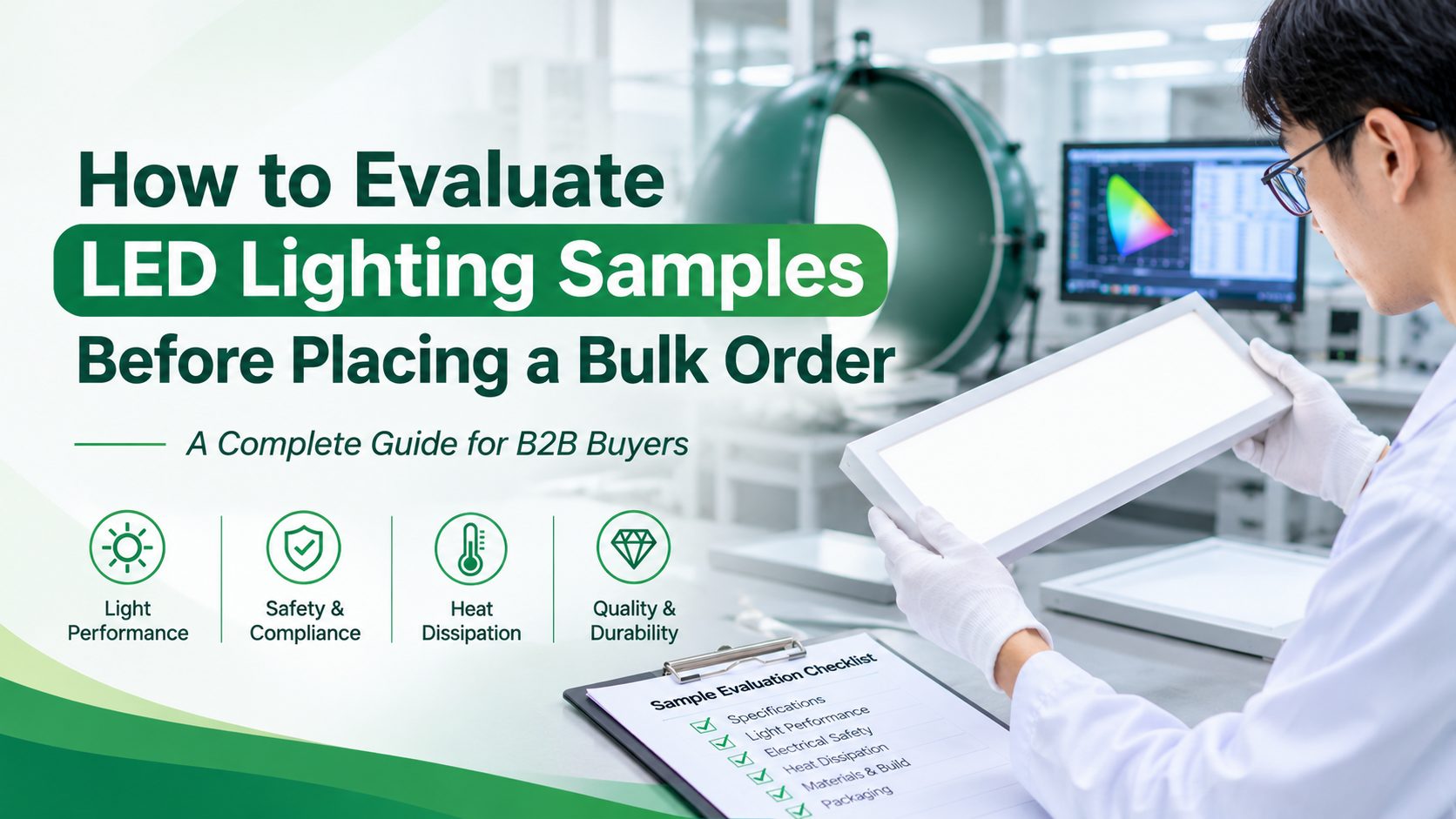
A practical guide to LED lighting sample testing before a bulk order: verify specifications, light performance, electrical safety, heat dissipation, materials, aging tests, packaging and production consistency.
Introduction
Before placing a bulk order, evaluating LED lighting samples is an essential step for importers, wholesalers, distributors, and lighting brands. A product may look attractive and meet the quoted specifications, but its actual performance, material quality, and long-term reliability still need to be verified.
A proper LED lighting sample testing process helps buyers identify potential quality issues before mass production, reduce purchasing risks, and ensure that the products meet their market requirements.
However, checking whether an LED light turns on is not enough. Buyers should evaluate several aspects, including technical specifications, light output, electrical performance, thermal management, construction quality, and aging performance.
In this guide, we explain eight important points to consider during LED sample evaluation before confirming an LED lighting bulk order.
1. Verify the Product Specifications
The first step is to compare the physical sample with the supplier's quotation, datasheet, and technical requirements.
Even small differences in specifications can affect product performance, market positioning, and customer satisfaction.
Important parameters to check include:
Rated Power (W): Confirm that the actual power consumption is consistent with the agreed specification.
Luminous Flux (lm): Check the total light output rather than relying only on wattage.
Luminous Efficacy (lm/W): Evaluate how efficiently the product converts electrical power into visible light.
Color Temperature (CCT): Verify whether the light color matches the required options, such as 3000K, 4000K, or 6500K.
Color Rendering Index (CRI): Check whether the CRI meets the requirements of the intended application.
Input Voltage: Confirm compatibility with the electrical systems in the target market.
Beam Angle: Make sure the light distribution is suitable for the installation environment.
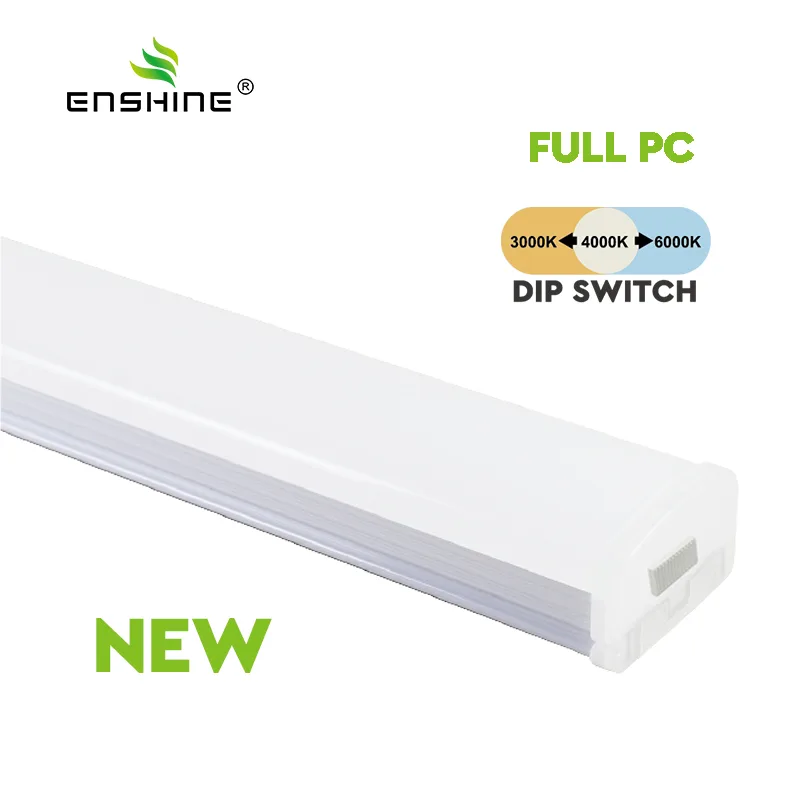
For products with selectable features, such as 3CCT or multiple power settings, buyers should also test each operating mode. On a DIP switch 3CCT LED batten light, for example, every switch position should be checked on the sample so the delivered goods behave the same way as the specification.
Practical tip: Do not rely solely on the product label or supplier's datasheet. For critical projects, request a test report or arrange independent testing to verify the actual performance.
2. Test Actual Light Performance
Light performance directly affects the end-user experience. A product may have the correct wattage but still fail to deliver the expected brightness or light quality, which is why light output is a central part of LED lighting sample testing.
When evaluating an LED lighting sample, consider the following:
Brightness and Luminous Output
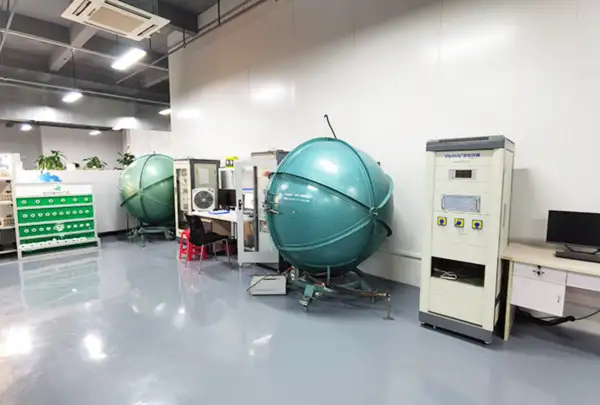
Check whether the actual light output meets the agreed requirements. An integrating sphere can be used to measure luminous flux under controlled testing conditions.
Color Consistency
For orders involving multiple units or batches, color consistency is important. Significant differences in color temperature or chromaticity can create an uneven lighting effect after installation.
Color Rendering
CRI is particularly important in applications such as retail stores, schools, offices, and commercial interiors, where accurate color presentation matters. For these projects, some models — such as our recessed LED downlights — can be supplied with CRI ≥90 on request.
Flicker Performance
Check whether the light exhibits visible flickering or problematic temporal light modulation. For applications with specific visual comfort requirements, request appropriate flicker measurement data rather than relying only on visual observation.
A professional sample evaluation should consider not only how bright the product looks, but also whether its light quality meets the requirements of the intended application.
3. Check Electrical Performance and Safety
Electrical performance is another important factor, especially for importers supplying products to different international markets.
The LED driver plays a significant role in the overall performance and reliability of an LED lighting product.
Depending on the product type and application, buyers should pay attention to:
Input voltage range and operating stability.
Actual power consumption and power factor.
Driver component quality and design.
Electrical insulation and protection.
Surge protection, where required.
Applicable safety and EMC compliance requirements.
For example, an LED light bulb designed for a 220–240V market may not be suitable for a market requiring 100–277V operation unless the driver is specifically designed for that voltage range. The same applies to outdoor products such as an IP65 LED floodlight, where surge immunity and ingress protection directly affect long-term reliability in the field.
Buyers should also confirm that the product's certification and test documentation apply to the exact model and configuration being purchased.
Practical tip: Ask the supplier to provide relevant electrical test reports and certification documents. For regulated markets, verify compliance with the applicable local requirements before placing an order.
4. Evaluate Heat Dissipation and Temperature Rise
Heat management has a direct impact on LED performance and component reliability.
During operation, LEDs and their drivers generate heat. If the product cannot dissipate this heat effectively, excessive temperatures may accelerate component aging and reduce product lifespan.
When testing a sample, pay attention to:
Housing material and structural design.
Heat dissipation area and ventilation design.
Temperature rise around the LED board and driver.
Operating temperature under the specified test conditions.
Compatibility with the intended installation environment.
Different LED lighting structures use different thermal management solutions.
For example, aluminum LED battens generally use aluminum components to help dissipate heat, while full PC LED battens require an appropriate internal structure and thermal design to manage operating temperatures. In larger fixtures such as LED high bay lights, the housing design and heat sink area play an even bigger role in keeping temperature rise under control.
A temperature test should be conducted after the product reaches thermal equilibrium under controlled ambient conditions. Simply touching the housing after a few minutes is not a reliable way to determine whether the internal components are operating within their specified temperature limits.
Practical tip: For important projects, request temperature test data and confirm that the product is suitable for the intended operating environment.
5. Inspect Materials and Product Construction
The external appearance of an LED light is only one part of its quality. Buyers should also examine its materials, internal construction, and assembly details.
Important inspection points include:
Housing material and thickness.
Surface finish and color consistency.
Diffuser transparency and light transmission.
Joint quality and assembly precision.
Internal wiring and component arrangement.
Terminal and connection quality.
Product dimensions and installation structure.
For example, when evaluating a full PC LED batten, buyers should pay attention to the PC housing, diffuser quality, structural strength, and overall assembly.
For aluminum LED lighting products, check the aluminum structure, surface treatment, and component fitting.
Material selection should match the product's intended application, performance requirements, and target price level.
A well-designed product should balance material quality, structural reliability, manufacturing consistency, and cost efficiency.
6. Conduct Aging and Reliability Tests
A sample that works normally during a short demonstration may still develop problems after extended operation. Aging and reliability tests are a core part of LED product quality testing because they help identify potential issues that may not be immediately visible.
Depending on the product and testing requirements, buyers can request:
Continuous operation under specified conditions.
Start-up and restart testing.
Operating temperature monitoring.
Light output and color stability checks.
Inspection for abnormal noise, flickering, or unexpected shutdown.
Post-test visual and functional inspection.
The aging duration and conditions should be defined according to the product specifications, applicable standards, and agreed quality requirements.
It is also important to understand that an aging test is a screening method, not a guarantee of the product's entire service life.
For bulk orders, buyers should confirm whether the manufacturer has a consistent aging and inspection process during production, rather than relying only on the initial sample test.
7. Check Packaging, Labels, and Certifications
A product can meet its technical requirements but still create problems if its packaging or documentation is unsuitable for the destination market.
Before approving a sample, review the following:
Product Labeling
Check model number, rated power, voltage, CCT, manufacturer information, and other required markings.
Packaging Quality
Inspect the inner packaging, outer carton, product protection, and transportation suitability.
Branding and OEM Requirements
For private-label projects, confirm logo placement, color box design, barcode, user manuals, and packaging specifications.
Certification and Documentation
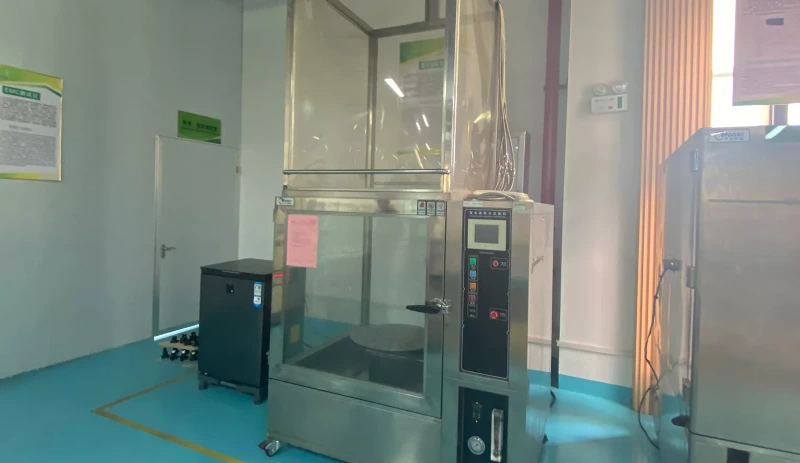
Verify that the relevant documents cover the exact product model and are valid for the destination market. For products with ingress protection ratings, confirm that the claimed rating is backed by appropriate test evidence.
For importers and distributors, packaging and labeling are also important parts of brand presentation and local compliance.
8. Ensure Mass Production Matches the Approved Sample
Sample approval should not be the end of the quality evaluation process.
One of the biggest concerns for importers is whether mass-produced products will maintain the same specifications and quality as the approved sample.
Before placing a bulk order, buyers should confirm the following with their suppliers:
The approved sample is retained as a reference for mass production.
The final bill of materials and critical components are confirmed.
Any changes to the driver, LED chips, housing, or other key components require approval.
The manufacturer has defined incoming material inspection and LED lighting quality inspection during production.
Finished products undergo the agreed functional and quality inspections.
Packaging and labeling follow the approved specifications.
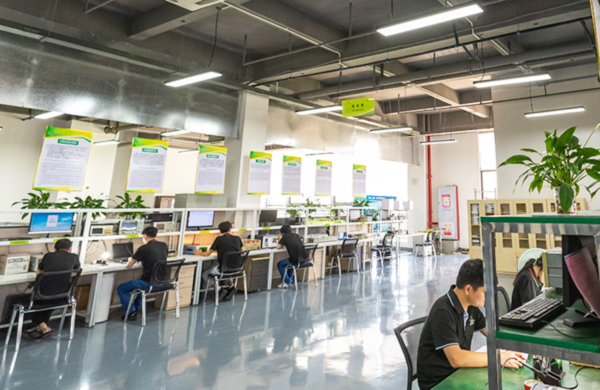
A clear LED sample approval process helps both the buyer and manufacturer avoid misunderstandings during mass production.
For large orders or customized projects, it is also advisable to establish an agreed inspection plan before production begins.
Why Work with an Experienced LED Lighting Manufacturer?
A reliable LED lighting supplier should do more than provide samples. The manufacturer should also have the production capabilities, technical knowledge, and quality management processes needed to maintain product consistency during mass production.
At Enshine Lighting, we have over 20 years of LED lighting manufacturing experience, serving importers, wholesalers, distributors, and lighting brands in international markets. You can learn more about our facility and team on our About page.
Our product range includes:
LED downlights
LED floodlights
LED bulkhead lights
Smart and solar lighting products
With in-house capabilities including plastic injection molding, aluminum stamping, die casting, and driver assembly, we maintain closer control over key manufacturing processes.
Our quality management approach covers LED lighting quality inspection at every stage: material inspection, driver inspection, in-process production checks, and aging tests before packing.
We also support OEM and ODM projects, helping customers customize product specifications, packaging, and branding according to their market requirements.
Whether you are sourcing standard LED lighting products or developing a customized product range, proper sample evaluation is the first step toward a more reliable purchasing decision.
Conclusion
Evaluating LED lighting samples before placing a bulk order is an important step in reducing purchasing risks and maintaining product quality.
Buyers should look beyond appearance and check technical specifications, actual light performance, electrical safety, thermal management, material quality, aging performance, and packaging requirements.
Most importantly, the approved sample should become the reference standard for mass production.
Working with an experienced LED lighting manufacturer that understands both product performance and manufacturing consistency can make the entire sourcing process more efficient.
Looking for a reliable LED lighting manufacturing partner?
Contact Enshine Lighting to discuss your product requirements, request samples, and explore OEM/ODM solutions for your market.
Website: www.enshinelighting.com
Looking for a Reliable LED Lighting Partner?
Tell us about your project or product requirements and our team will get back to you with a tailored quotation and professional lighting advice.